
Author: Olia Green

  • Enhance Your Yoga Kitchen with Indoor Herbs for Wellness

    Enhance Your Yoga Kitchen with Indoor Herbs for Wellness

    How to Use Indoor Herbs in a Yoga-Inspired Kitchen

    Incorporating indoor herbs into a yoga-style kitchen can enhance both your cooking and mindfulness practices. Here’s how to make the most of your indoor herbs in this serene setting:

    1. Select Herbs for Wellness

    • Basil: Promotes relaxation and can be used in calming teas or paired with soothing dishes.
    • Mint: Refreshing and invigorating, ideal for detox water or energizing smoothies.
    • Thyme: Known for its respiratory benefits, great for herbal infusions or adding to soups.
    • Rosemary: Stimulates memory and concentration, perfect in roasted dishes or infused oils.

    2. Mindful Harvesting

    • Practice mindfulness as you harvest. Focus on your breath and the sensations of touching the leaves.
    • Remove leaves gently with intention, thanking the plant for its nourishment.

    3. Creating a Calm Cooking Space

    • Set up your kitchen with natural light and calming colors.
    • Use pots and utensils that inspire tranquility—wooden boards, glass jars, and bamboo utensils.

    4. Using Herbs in Meditative Practices

    • Herbal Teas: Brew calming herbal teas with your fresh herbs, allowing for a meditative moment while embracing the aromas.
    • Essential Oil Diffusion: Create an essential oil diffuser blend using herbs like rosemary and mint for a refreshing ambiance while cooking.

    5. Incorporating Herbs in Recipes

    • Herb-Infused Water: Combine fresh herbs like mint and basil with lemon for a refreshing drink during your yoga practice.
    • Smoothies: Add a handful of herbs like parsley or cilantro to smoothies for added nutrition and flavor.

    6. Creating Herb-Centric Dishes

    • Prepare grain bowls topped with a variety of herbs, yogurts, or dressings made with your favorite herbs for added flavor and health benefits.
    • Experiment with wholesome wraps filled with greens, veggies, and a sprinkle of fresh herbs for vibrant meals.

    7. Connecting with Nature

    • Spend a few moments with your herbs before cooking, inhaling their scents and appreciating their growth.
    • Consider a small herb garden as a mindfulness practice, observing your herbs as they grow throughout the seasons.

    Conclusion

    Using indoor herbs in a yoga-style kitchen not only enhances your meals but also promotes a mindful and tranquil cooking environment. Enjoy the process, relish the flavors, and nurture your connection with nature and wellness.
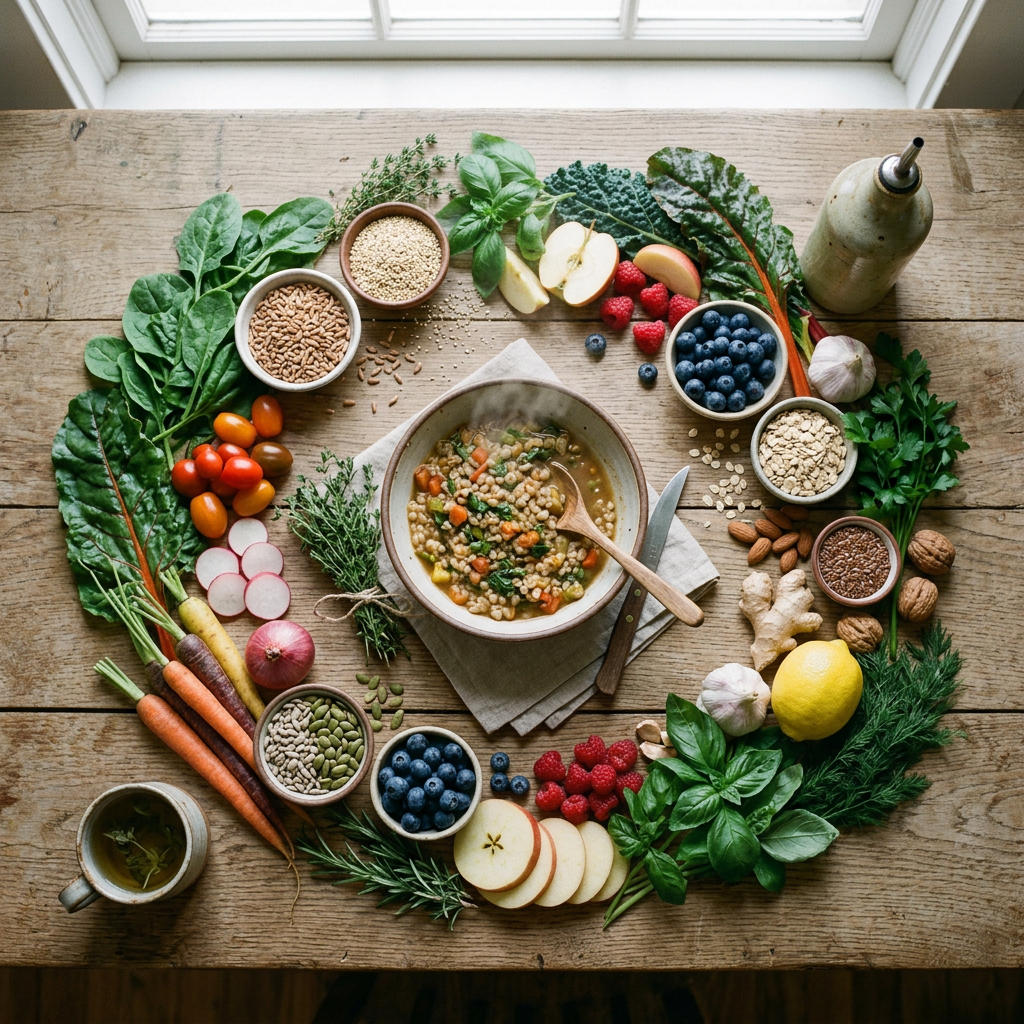
  • Nourishing the body, Awakening the soul

    Nourishing the body, Awakening the soul

    Nourishing the Body, Awakening the Soul: The Benefits of Wholesome Foods for Our Body and Mind

    Wholesome foods are integral to maintaining both physical health and mental well-being. The nutrients found in whole, unprocessed foods play a crucial role in nourishing our bodies while also positively impacting our minds.

    Why Wholesome Foods are Good for Our Body

    1. Essential Nutrients: Wholesome foods—such as fruits, vegetables, whole grains, and lean proteins—are rich in vitamins, minerals, and antioxidants, which are essential for the body to function optimally. These nutrients help bolster the immune system, strengthen bones, and promote optimal organ function.
    2. Energy Levels: Whole foods provide a steady source of energy. Unlike processed foods that can lead to rapid spikes in blood sugar, wholesome foods release energy slowly, helping to maintain steady energy levels throughout the day.
    3. Healthy Weight Management: Foods that are high in fiber, like fruits and vegetables, help promote satiety and reduce overeating. This can contribute to healthier weight management and decrease the risk of obesity-related diseases.
    4. Digestive Health: Wholesome foods support a healthy digestive system. Fiber-rich foods aid digestion and help maintain regular bowel movements, reducing the risk of gastrointestinal issues.

    Why Wholesome Foods are Good for Our Mind

    1. Cognitive Function: Nutrient-dense foods, particularly those rich in omega-3 fatty acids (like fish, flaxseeds, and walnuts) and antioxidants (found in berries and dark leafy greens), are known to support brain health and improve cognitive function. They can enhance memory, focus, and overall mental clarity.
    2. Mood Regulation: There is a significant connection between diet and mental health. Consuming whole foods can have a positive impact on mood. Nutrients like B vitamins, magnesium, and omega-3 fatty acids play a role in regulating mood and preventing feelings of anxiety and depression.
    3. Stress Reduction: Foods rich in antioxidants and healthy fats can help combat the negative effects of stress. Incorporating wholesome snacks, such as nuts and fruits, can provide a calming effect and reduce stress levels.
    4. Mindfulness and Connection: Preparing and consuming wholesome foods can foster a sense of mindfulness and connection to our bodies. The act of cooking and savoring meals encourages us to slow down, appreciate the flavors, and be present in the moment.

    Conclusion

    Incorporating wholesome foods into our diet is a powerful way to nourish our bodies and awaken our souls. By prioritizing a diet rich in whole, unprocessed foods, we not only support our physical health but also nurture our mental well-being. Embrace the journey of nourishing both body and mind for a fuller, more balanced life.

  • Untitled post 30

    The concept of the five elements—earth, water, fire, air, and space—plays a significant role in various cuisines and food philosophies around the world. Here’s how each element is connected to our foods:

    1. Earth

    • Connection: Earth represents the physical substances that grow our food, such as soil and plants. It signifies the nourishment that roots and grains provide.
    • Foods: Vegetables, grains, and legumes are often considered earthy foods that ground us and provide stability.

    2. Water

    • Connection: Water is essential for all life and is a crucial component for cooking and preparing food. It symbolizes purification and hydration.
    • Foods: Fresh fruits, vegetables, and liquids such as soups and broths are tied to this element, emphasizing freshness and rejuvenation.

    3. Fire

    • Connection: Fire is associated with transformation and energy. It represents cooking methods that alter food’s texture and flavor.
    • Foods: Grilled or roasted dishes, spicy foods, and anything cooked over an open flame embody the transformative power of this element.

    4. Air

    • Connection: Air symbolizes movement, flavor, and breath. It relates to the lightness of food and the aromas that enhance our dining experience.
    • Foods: Baked goods, airy textures like soufflés, and herbs that add fragrance reflect the influence of air in cuisine.

    5. Space

    • Connection: Space represents the environment in which food is produced and consumed, including the balance and harmony of flavors.
    • Foods: Meals that focus on the relationship between different elements, emphasizing moderation and mindfulness, resonate with this element.

    Conclusion

    These five elements provide a holistic perspective on how we understand and appreciate food, encouraging us to think about not only what we eat but also the processes and philosophies behind it. Integrating these elements can enhance our culinary experience and promote well-being.